
Introduction
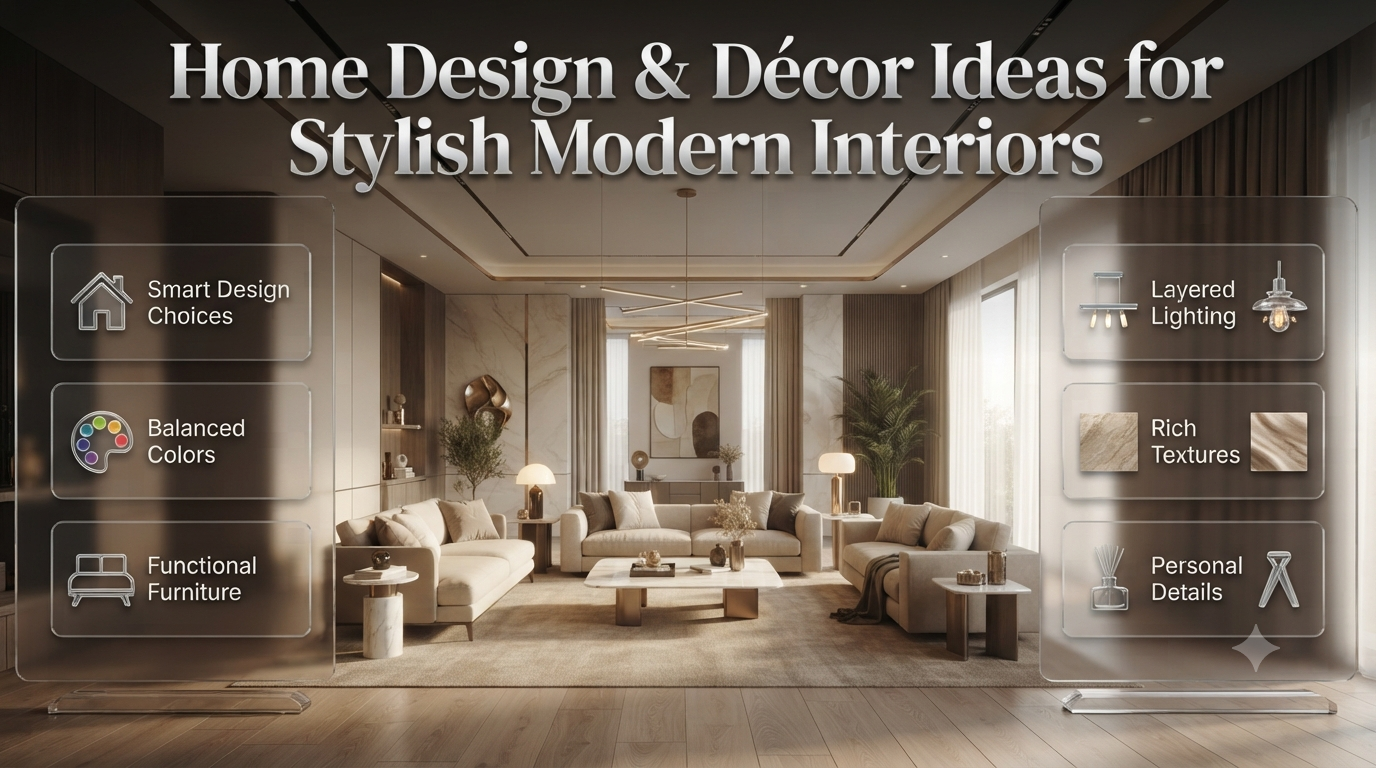
Home Design & Décor Ideas | Have you ever entered a home that looked stylish and expensive but somehow didn’t feel comfortable? Or maybe you have purchased beautiful furniture, artwork, and accessories, yet your room still feels incomplete. The reason is simple: creating a beautiful home is not only about buying attractive items—it is about making smart Design & Décor decisions that combine style, comfort, and everyday functionality.
A thoughtfully designed home reflects who you are. It should support your lifestyle, make daily activities easier, and create an atmosphere where you genuinely enjoy spending time. Whether you are decorating a new house, renovating an old space, or simply refreshing one room, understanding the principles of Design & Décor helps you avoid costly mistakes and create a space that feels intentional.
Today’s homeowners are moving beyond basic decoration. They want interiors that are practical, welcoming, sustainable, and personalized. A successful home design combines architecture, furniture, colors, lighting, textures, and personal details to create a complete experience.
In this guide, you will learn:
- What Design & Décor really means
- The difference between interior design and decoration
- The essential principles professionals use
- How colors, furniture, lighting, and textures influence a room
- Common mistakes that reduce the beauty of a space
- Expert tips for creating timeless interiors
For more inspiration and professional interior ideas, explore Design Mode 24 Interior Design to discover modern home styling concepts and creative design solutions.
What Is Design & Décor?
Design & Décor is the process of planning, organizing, and enhancing an interior space by combining functionality, visual appeal, colors, furniture, materials, lighting, and decorative elements. It creates spaces that are comfortable, practical, and visually balanced.
Many people think Design & Décor only means choosing paint colors or buying furniture. However, professional design involves much more than decoration.
It begins with understanding:
- How the space will be used
- Who will use it
- What problems need to be solved
- How different elements work together
A beautiful home is not created by adding more things. It is created by making better choices.
For example:
A living room with expensive furniture can still feel uncomfortable if the seating arrangement blocks movement. On the other hand, a simple room with carefully selected furniture, lighting, and colors can feel elegant and inviting.
Good Design & Décor creates harmony between appearance and purpose.
Why Is Design & Décor Important?
Your home environment affects your emotions, comfort, productivity, and daily lifestyle. A well-planned interior does more than look attractive—it improves how you experience your space.
1. Creates Comfort and Better Functionality
The main purpose of a home is to support everyday life.
A successful design considers:
- Family routines
- Storage requirements
- Movement patterns
- Entertainment needs
- Personal preferences
For example, a family living room should not only look beautiful. It should provide:
- Comfortable seating
- Easy movement
- Durable materials
- Storage solutions
- A welcoming atmosphere
A room that looks good but does not function properly will eventually become frustrating.
💡 Pro Tip:
Before purchasing furniture, think about how you actually use the room. A beautiful piece that does not match your lifestyle may become a daily inconvenience.
2. Improves Emotional Well-Being
The spaces around us influence our mood.
Certain design choices can create different feelings:
| Design Element | Emotional Effect |
|---|---|
| Soft neutral colors | Calm and relaxation |
| Natural wood textures | Warmth and comfort |
| Plants and greenery | Freshness and connection with nature |
| Layered lighting | Cozy atmosphere |
| Personal artwork | Identity and emotional connection |
This is why modern interiors increasingly focus on wellness-based design. Homes are becoming places of recovery, relaxation, and personal expression.
3. Maximizes Available Space
Good Design & Décor is not about the size of your home. It is about using the available space intelligently.
A small apartment can feel spacious with:
- Multi-purpose furniture
- Proper lighting
- Smart storage
- Light color schemes
- Minimal clutter
A large home can feel uncomfortable if the layout is poorly planned.
Professional designers focus on creating balance rather than simply filling empty areas.
Design vs Décor: Understanding the Difference
Many homeowners confuse design and décor, but they represent two different stages of creating an interior.
What Is Interior Design?
Interior design focuses on the structure and functionality of a space.
It includes:
- Room layouts
- Furniture placement
- Lighting plans
- Material selection
- Flooring choices
- Architectural details
- Space planning
Design creates the foundation.
What Is Interior Décor?
Interior décor focuses on the finishing elements that add personality.
It includes:
- Artwork
- Curtains
- Rugs
- Cushions
- Decorative objects
- Plants
- Accessories
Décor creates character.
Simple Example
Imagine designing a bedroom.
Design decisions:
- Where the bed is placed
- Which flooring is used
- How lighting is installed
- How much storage is needed
Décor decisions:
- Choosing bedding colors
- Adding artwork
- Selecting lamps
- Styling shelves
Both work together to create a complete room.
The Core Principles of Great Design & Décor
Professional designers use several fundamental principles to create interiors that feel balanced and attractive.
These principles help homeowners make better decisions regardless of their preferred style.
1. Balance: Creating Visual Harmony
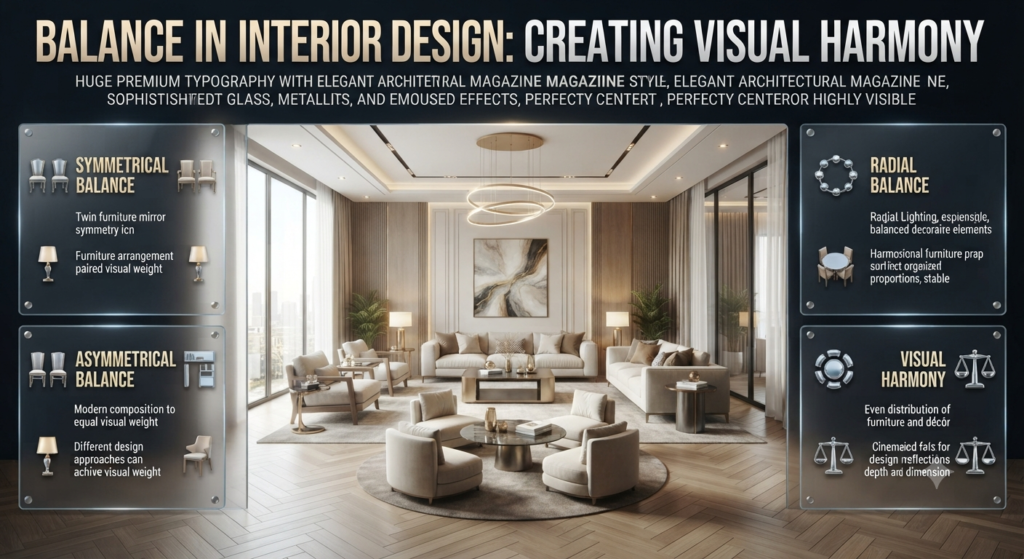
Balance in interior design means distributing visual weight throughout a room so the space feels comfortable, stable, and organized.
A room feels naturally appealing when no single area appears too heavy or empty.
There are three main types of balance:
Symmetrical Balance
Symmetry creates a formal and organized appearance.
Examples:
- Two identical chairs beside a fireplace
- Matching lamps on both sides of a bed
- Balanced furniture arrangements
This style works well for:
- Traditional homes
- Classic interiors
- Formal living rooms
Asymmetrical Balance
Asymmetrical design creates a more relaxed and modern feeling.
Instead of matching objects, designers balance different elements.
Example:
One side of a sofa may have:
- A floor lamp
- A side table
- Artwork
The opposite side may have:
- A chair
- Decorative plant
- Small table
The items are different but create equal visual weight.
Radial Balance
Radial balance arranges elements around a central point.
Examples:
- Dining tables with chairs around them
- Circular seating areas
- Round coffee tables
This arrangement encourages conversation and connection.
⭐ Expert Tip:
If a room feels uncomfortable but you cannot identify the problem, check whether the visual weight is balanced. Too many heavy pieces on one side can make the entire room feel awkward.
2. Color Harmony: Building the Right Mood
Color is one of the most powerful elements in Design & Décor.
The right color palette can make a room feel:
- Larger
- Warmer
- More relaxing
- More energetic
- More luxurious
A successful color scheme does not mean everything must match. It means colors should support each other.
Popular Interior Color Approaches
Neutral Color Schemes
Neutral colors remain one of the most timeless choices.
Common shades include:
- White
- Beige
- Cream
- Gray
- Taupe
- Soft brown
Benefits:
- Easy to decorate
- Creates a calm environment
- Works with many styles
For more inspiration, explore Neutral Color Schemes.
Warm Color Palettes
Warm colors create inviting and comfortable spaces.
Popular choices include:
- Terracotta
- Warm beige
- Sand tones
- Earthy browns
- Soft gold accents
These colors work especially well in:
- Living rooms
- Dining spaces
- Bedrooms
Explore more ideas through Warm Color Palettes.
Monochromatic Design
This approach uses different shades of one color.
Example:
A beige living room may include:
- Light cream walls
- Tan furniture
- Darker brown accessories
The result is sophisticated and peaceful.
3. Scale and Proportion: Choosing the Right Size
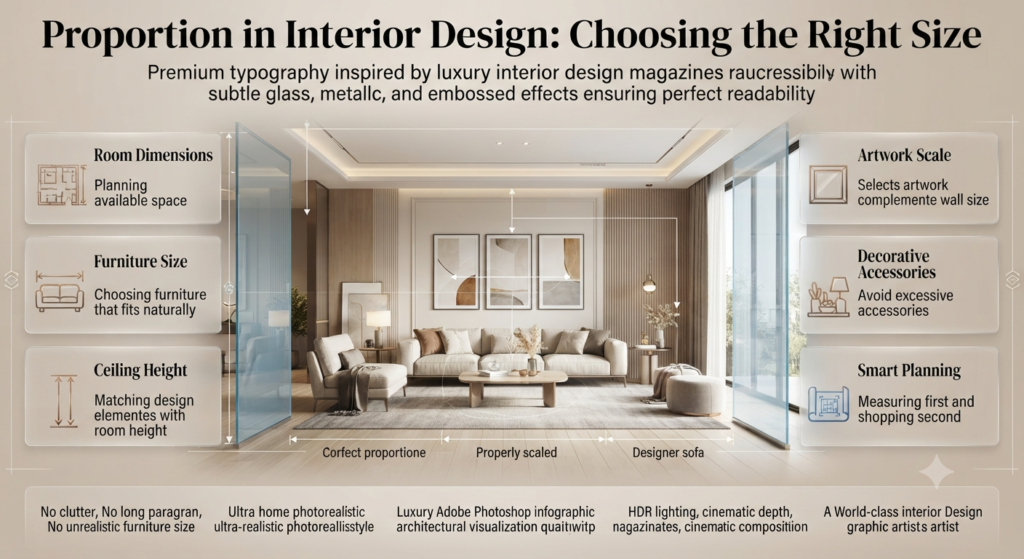
One of the biggest mistakes homeowners make is selecting furniture based only on appearance.
A beautiful sofa may look perfect in a showroom but completely overwhelm a small room.
Scale and proportion ensure every item fits naturally.
Consider:
- Room dimensions
- Ceiling height
- Furniture size
- Artwork size
- Decorative accessories
Examples:
Large rooms usually need:
- Bigger furniture
- Larger artwork
- Stronger design elements
Small rooms often benefit from:
- Slim furniture
- Open spaces
- Fewer decorative items
📌 Quick Tip:
Always measure your room before buying furniture. Professional designers plan the space first and shop second.
4. Lighting: The Secret Behind Beautiful Interiors
Lighting can completely transform how a room looks and feels.
Even the most expensive furniture will not appear attractive without proper lighting.
A professional lighting plan usually includes three layers:
Ambient Lighting
Provides overall room illumination.
Examples:
- Ceiling lights
- Chandeliers
- Recessed lighting
Task Lighting
Supports specific activities.
Examples:
- Reading lamps
- Kitchen lights
- Office lighting
Accent Lighting
Highlights important features.
Examples:
- Artwork lighting
- Decorative lamps
- Wall lighting
Layered lighting creates depth and makes interiors feel more professional.
For modern technology-based solutions, explore Smart Home Design.
5. Furniture Selection: The Foundation of Functional Design
Furniture is one of the most important elements of any interior because it determines how a room feels and functions.
Many homeowners choose furniture based only on appearance, but professional designers consider several factors before making a decision.
The right furniture should provide:
- Comfort
- Functionality
- Proper scale
- Durability
- Visual harmony
A beautiful sofa that is uncomfortable or too large for the room can damage the entire design.
How to Choose the Right Furniture
1. Understand Your Lifestyle
Before buying furniture, ask:
- How will this room be used?
- Do you entertain guests often?
- Do you have children or pets?
- Do you need extra storage?
- Do you prefer formal or relaxed spaces?
For example:
A family living room may require:
- Durable fabrics
- Comfortable seating
- Easy-to-clean materials
A formal sitting area may prioritize:
- Elegant furniture
- Decorative details
- Luxury finishes
2. Focus on Quality Over Quantity
A common mistake is filling a room with too many furniture pieces.
A well-designed space usually includes carefully selected items rather than excessive furniture.
Instead of buying:
- Large sofa
- Multiple chairs
- Several tables
- Too many cabinets
Consider:
- One high-quality sofa
- A balanced coffee table
- Functional storage
- A few meaningful accessories
Minimal but intentional choices often create a more luxurious appearance.
💡 Pro Tip:
Luxury interiors are not defined by how many items are inside a room. They are defined by quality, balance, and thoughtful selection.
Furniture Placement Rules That Professionals Follow
Furniture arrangement affects comfort and movement.
A good layout should allow:
- Easy walking paths
- Natural conversation areas
- Comfortable spacing
- Visual balance
Living Room Example
Poor arrangement:
TV
 |
 |
Large Sofa Blocking Movement
 |
Coffee Table
Better arrangement:
        TV

Chair      Sofa      Chair

        Coffee Table
The goal is to create connection, not just place furniture against walls.
Common Furniture Placement Mistakes
⚠ Common Mistake: Pushing every piece of furniture against the wall.
Why it happens:
Many homeowners believe this creates more space.
Why it is harmful:
It can make the room feel disconnected and empty.
Better approach:
Create small conversation zones and allow furniture to interact with each other.
6. Choosing an Interior Design Style
Your interior style represents your personality and lifestyle.
There is no single correct style. The best interiors often combine different influences while maintaining harmony.
Below are some popular Design & Décor styles.
Modern Interior Design
Modern design focuses on:
- Clean lines
- Simple forms
- Functional furniture
- Minimal decoration
- Open spaces
Common materials:
- Glass
- Metal
- Wood
- Concrete
Modern interiors often use neutral colors with carefully selected accents.
Best for:
- Contemporary homes
- Apartments
- People who prefer simplicity
Minimalist Interior Design
Minimalism focuses on the idea that less can create more impact.
Key features:
- Limited furniture
- Clean surfaces
- Simple colors
- Hidden storage
- Purposeful decoration
The goal is not creating an empty home. The goal is removing unnecessary distractions.
A minimalist room should feel:
- Calm
- Organized
- Peaceful
Scandinavian Design
Scandinavian interiors combine simplicity with warmth.
Main characteristics:
- Light colors
- Natural materials
- Functional furniture
- Cozy textiles
- Plenty of natural light
Popular elements:
- Wooden furniture
- Soft blankets
- Indoor plants
- Neutral colors
This style is ideal for homeowners who want a comfortable and welcoming atmosphere.
Luxury Interior Design
Luxury design is not only about expensive products.
True luxury comes from:
- Quality materials
- Custom details
- Excellent craftsmanship
- Balanced styling
Luxury interiors often include:
- Natural stone
- Premium fabrics
- Statement lighting
- Custom furniture
- Elegant finishes
A luxurious home should feel sophisticated, not excessive.
Traditional Interior Design
Traditional design celebrates:
- Classic furniture
- Rich textures
- Timeless patterns
- Decorative details
Common elements include:
- Wood furniture
- Elegant curtains
- Antique-inspired accessories
- Symmetrical layouts
This style creates a warm and established feeling.
Mixing Different Design Styles Successfully
Many modern homes combine multiple styles.
For example:
Modern + Traditional:
- Contemporary sofa
- Classic artwork
- Natural wood furniture
Minimalist + Scandinavian:
- Clean spaces
- Warm textures
- Soft lighting
The key is creating connection through:
- Color
- Materials
- Repeated patterns
- Similar textures
⭐ Expert Tip:
Do not mix styles randomly. Choose one dominant style and use another style as an accent.
7. Materials and Textures: Adding Depth to Interiors
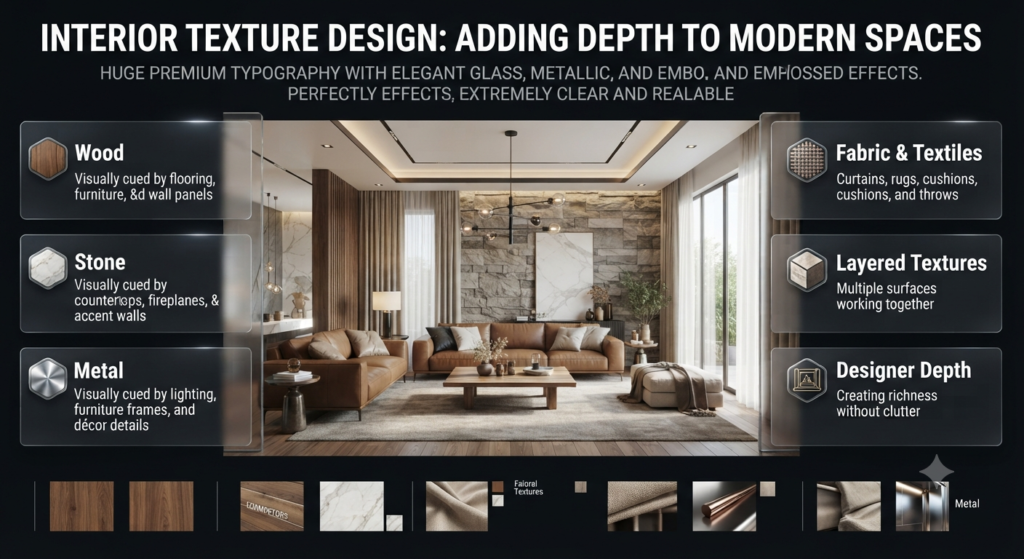
A room can have beautiful colors and furniture but still feel flat without texture.
Texture creates visual interest and makes spaces feel complete.
Common Interior Materials
Wood
Wood adds:
- Warmth
- Natural beauty
- Timeless appeal
Used in:
- Flooring
- Furniture
- Wall panels
- Cabinets
Stone
Stone creates a premium appearance.
Popular choices:
- Marble
- Granite
- Quartz
- Natural stone
Used for:
- Countertops
- Fireplaces
- Accent walls
Metal
Metal adds modern character.
Common finishes:
- Brass
- Stainless steel
- Black metal
- Bronze
Used in:
- Lighting
- Furniture frames
- Decorative accessories
Fabric and Textiles
Soft materials improve comfort.
Examples:
- Curtains
- Rugs
- Cushions
- Throws
Textiles help balance harder materials like stone and metal.
How to Layer Textures Like a Designer
Professional interiors usually combine different textures.
Example:
A living room may include:
- Smooth leather sofa
- Soft wool rug
- Wooden coffee table
- Linen curtains
- Ceramic accessories
These differences create richness without adding clutter.
📌 Quick Tip:
If your room feels boring, do not immediately add more decorations. Try adding texture first.
8. Creating a Personalized Home Design
The best interiors are not copies of magazines. They tell your personal story.
A home should reflect:
- Your interests
- Your memories
- Your lifestyle
- Your preferences
Personalization can include:
- Family photographs
- Travel collections
- Custom artwork
- Handmade items
- Favorite books
- Meaningful objects
However, personalization should remain balanced.
Too many personal items can create visual clutter.
How to Add Personality Without Creating Clutter
Follow the 70/30 rule:
70% foundation
Includes:
- Furniture
- Wall colors
- Flooring
- Main materials
30% personality
Includes:
- Artwork
- Accessories
- Decorative pieces
- Accent colors
This creates a space that feels personal but professionally designed.
9. Small Space Design & Décor Strategies
Small homes require smarter planning, not fewer design possibilities.
The right choices can make a compact space feel open and comfortable.
Use Multifunctional Furniture
Examples:
- Storage beds
- Extendable dining tables
- Ottoman storage
- Foldable desks
These pieces maximize available space.
Choose Light Colors
Light shades reflect more light and create a sense of openness.
Popular choices:
- White
- Soft beige
- Light gray
- Pastel tones
Use Mirrors Strategically
Mirrors can:
- Reflect light
- Create depth
- Make rooms appear larger
Best locations:
- Opposite windows
- Narrow hallways
- Small living areas
Avoid Overcrowding
A small room does not need many decorative items.
Instead focus on:
- One statement piece
- Smart storage
- Clean surfaces
10. Budget-Friendly Design & Décor Ideas
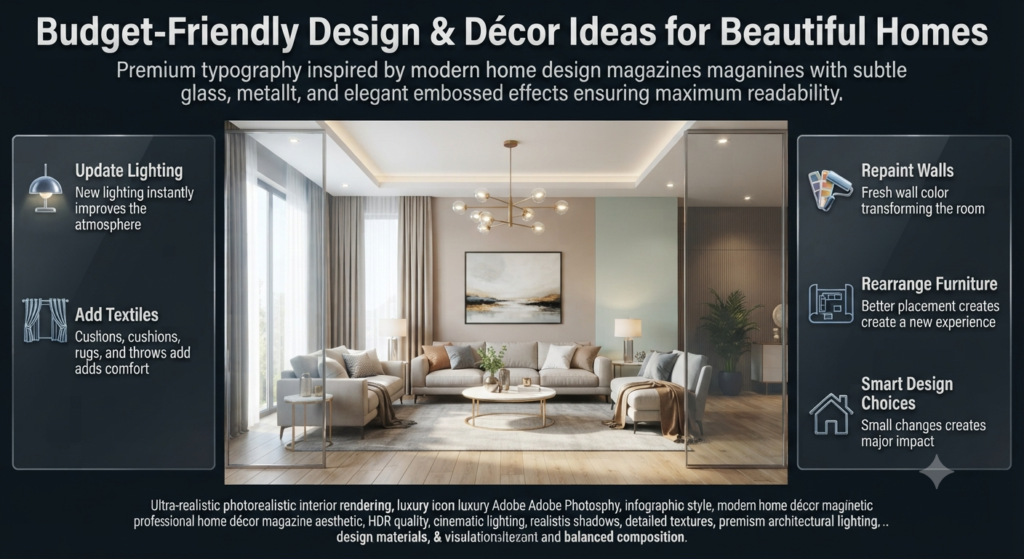
Creating a beautiful home does not always require a large budget.
Small improvements can create major changes.
Affordable Ways to Refresh Your Space
Update Lighting
Changing outdated lighting fixtures can instantly improve a room.
Add Textiles
New:
- Curtains
- Cushions
- Rugs
- Throws
can completely change the atmosphere.
Repaint Walls
A fresh color can make a space feel new.
Explore more ideas through:
Rearrange Furniture
Sometimes the best improvement costs nothing.
A better layout can make a room feel completely different.
Common Design & Décor Mistakes (And How to Avoid Them)
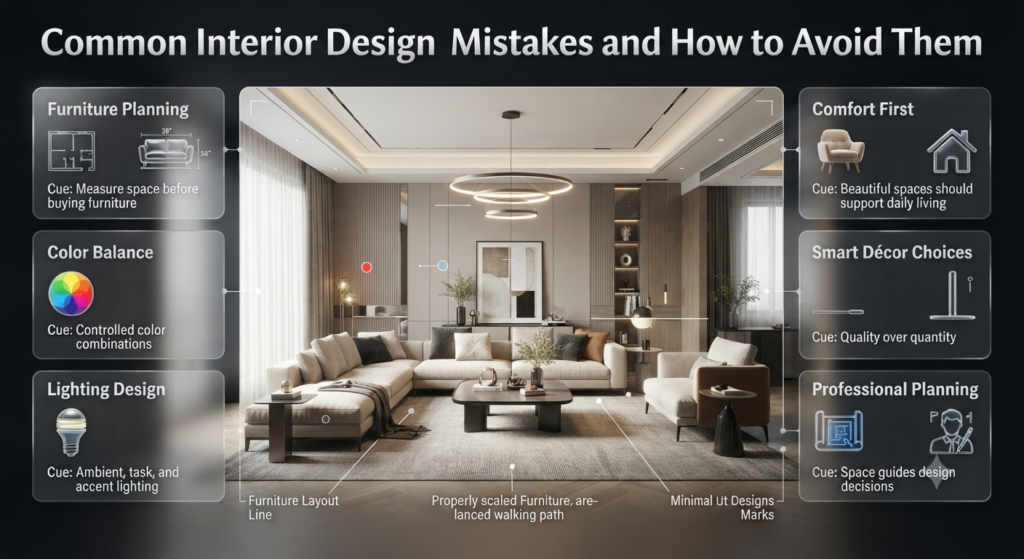
Even homeowners with good taste can make design mistakes that affect how their space looks and feels. Most problems do not happen because people lack creativity—they happen because they focus on individual items instead of the complete picture.
Understanding these mistakes can help you create a more balanced and professional-looking home.
1. Buying Furniture Before Planning the Space
Why It Happens
Many homeowners become excited about a beautiful sofa, dining table, or chair and purchase it immediately.
Why It’s Harmful
Furniture that looks attractive in a showroom may not fit your room properly.
Problems can include:
- Limited walking space
- Poor proportions
- Uncomfortable layouts
- Visual imbalance
How to Avoid It
Before purchasing furniture:
- Measure your room
- Create a simple layout plan
- Consider doorways and movement paths
- Check furniture dimensions
⭐ Expert Tip:
Professional designers usually plan the room first and select furniture second. The space should guide your choices, not the other way around.
2. Using Too Many Colors
Why It Happens
Homeowners often choose different colors they love without considering how they work together.
Why It’s Harmful
Too many competing colors can make a room feel:
- Busy
- Unorganized
- Less relaxing
Better Approach
Follow a balanced color formula:
60% Main Color
Walls, large furniture, flooring
30% Secondary Color
Curtains, chairs, rugs
10% Accent Color
Artwork, cushions, decorative items
A controlled color palette creates a more sophisticated appearance.
3. Ignoring Lighting Design
Why It Happens
Many people treat lighting as the final step instead of part of the design process.
Why It’s Harmful
Poor lighting can make even expensive interiors appear dull.
Common problems:
- One bright ceiling light only
- Dark corners
- No decorative lighting
- Wrong bulb temperature
Solution
Create layered lighting:
- General lighting
- Task lighting
- Accent lighting
A combination of different light sources creates depth and atmosphere.
4. Choosing Style Over Comfort
Why It Happens
Many homeowners try to recreate magazine-style interiors.
Why It’s Harmful
A room may look beautiful but become uncomfortable for everyday living.
Examples:
- Uncomfortable chairs
- Fragile materials
- Furniture that does not match lifestyle
Solution
Always ask:
“Can I comfortably live in this space?”
A successful home should look good and feel good.
5. Adding Too Many Decorative Items
Why It Happens
People believe more decoration means more luxury.
Why It’s Harmful
Excessive accessories create:
- Visual clutter
- Difficult maintenance
- Loss of focus
Better Approach
Choose meaningful pieces.
Quality is more important than quantity.
A single large artwork can often create more impact than many small decorations.
Expert Advice: Professional Design Principles That Actually Work
Experienced designers focus on creating spaces that remain beautiful for years instead of following every short-term trend.
1. Start With a Clear Vision
Before changing anything, define:
- How you want the room to feel
- How you use the space
- What problems need solving
Examples:
A bedroom goal:
“Create a peaceful retreat for better relaxation.”
A living room goal:
“Create a comfortable gathering space for family and guests.”
A clear purpose makes every design decision easier.
2. Invest in Important Elements First
Not every item deserves the same budget.
Prioritize:
High-Impact Investments
- Sofa
- Bed
- Flooring
- Lighting
- Kitchen cabinets
- Quality paint
Lower-Cost Updates
- Cushions
- Accessories
- Small décor items
- Decorative accents
This approach creates better results without unnecessary spending.
3. Use Natural Elements
Modern interiors increasingly focus on bringing nature indoors.
Popular natural elements include:
- Wood
- Stone
- Plants
- Natural fabrics
- Organic shapes
Benefits:
- Creates warmth
- Improves visual comfort
- Makes spaces feel more connected
This approach is often called biophilic design.
4. Create a Connection Between Rooms
A beautiful home should feel connected.
This does not mean every room must look identical.
Instead, repeat certain elements:
- Similar wood tones
- Related colors
- Matching metal finishes
- Consistent flooring style
For example:
A living room with warm wood furniture can connect naturally with a kitchen using similar wood accents.
5. Design for Real Life
The best homes are designed around the people living inside them.
Consider:
- Storage needs
- Daily routines
- Maintenance requirements
- Family activities
A practical home will always feel more luxurious because it works effortlessly.
Latest Design & Décor Trends for Modern Homes
Interior trends continue changing, but many current ideas focus on comfort, sustainability, and personalization.
1. Warm Minimalism
Warm minimalism combines simplicity with comfort.
Unlike traditional minimalism, it avoids cold and empty spaces.
Key features:
- Neutral colors
- Natural textures
- Soft lighting
- Comfortable furniture
- Handmade elements
The goal is a peaceful but welcoming environment.
2. Sustainable Interior Choices
More homeowners are choosing environmentally responsible materials.
Popular sustainable choices:
- Reclaimed wood
- Natural fabrics
- Energy-efficient lighting
- Long-lasting furniture
Sustainable design is not only better for the environment—it often creates more timeless interiors.
3. Smart Home Integration
Technology is becoming an important part of modern interiors.
Smart features include:
- Automated lighting
- Smart thermostats
- Motorized curtains
- Voice-controlled systems
- Smart security
The best smart homes integrate technology naturally without making the space feel complicated.
4. Personalized Interiors
Generic showroom-style homes are becoming less popular.
Modern homeowners prefer spaces that show personality through:
- Custom artwork
- Unique furniture
- Personal collections
- Handmade décor
A home should tell a story.
Step-by-Step Guide: How to Transform Any Room With Design & Décor
Follow this simple process to redesign a room successfully.
Step 1: Understand the Purpose of the Room
What to Do
Define how the space will be used.
Why It Matters
Every design decision depends on function.
Professional Advice
A family room and a formal sitting room require different approaches.
Common Mistake
Designing based only on appearance.
Example
A home office needs:
- Comfortable desk
- Proper lighting
- Storage
Not just attractive decoration.
Step 2: Create a Color Direction
What to Do
Choose a main color palette.
Why It Matters
Colors create the emotional foundation of the room.
Professional Advice
Select colors based on:
- Natural light
- Room size
- Mood
Common Mistake
Choosing paint before considering furniture.
Step 3: Select Furniture Carefully
What to Do
Choose pieces that fit the room.
Why It Matters
Furniture controls comfort and movement.
Professional Advice
Measure everything before buying.
Common Mistake
Buying oversized furniture.
Step 4: Add Lighting Layers
What to Do
Combine different lighting sources.
Why It Matters
Lighting creates atmosphere.
Professional Advice
Use warm lighting for relaxing spaces.
Common Mistake
Depending on one ceiling light.
Step 5: Add Personal Details
What to Do
Include meaningful décor.
Why It Matters
Personal items make a house feel like home.
Professional Advice
Choose fewer but more meaningful accessories.
Common Mistake
Creating clutter.
How do I create a beautiful home interior without spending a lot of money?
Creating a beautiful interior does not always require a large budget. Professional designers focus more on planning, balance, and smart choices rather than simply buying expensive furniture or luxury décor items. A well-designed space comes from understanding what elements create the biggest visual impact and investing in those areas first.
Instead of replacing everything, homeowners can transform their spaces through strategic updates such as improving lighting, refreshing wall colors, rearranging furniture, and adding carefully selected textures. Small changes like new curtains, rugs, artwork, or decorative accents can completely change the atmosphere of a room when they are chosen correctly.
A budget-friendly interior should focus on quality over quantity. Buying fewer but better-designed pieces usually creates a more premium look than filling a room with unnecessary decorations.
Professional Tips:
Start with a clear design plan before purchasing anything.
Invest first in high-impact elements like lighting, paint, flooring, and main furniture.
Use accessories such as cushions, rugs, and artwork to introduce personality.
Rearrange existing furniture before spending money on new items.
Choose timeless designs that will remain attractive for years.
What is the first step in decorating a room?
Start by understanding the room’s purpose, measuring the space, and creating a clear design direction before buying anything.
How do I choose the right interior design style for my home?
Choosing the right interior style starts with understanding your lifestyle, personality, and how you want your home to feel. A design style should not simply follow a trend—it should support the way you live.
For example, someone who prefers a calm and organized environment may enjoy minimalist or Scandinavian interiors, while someone who loves warmth and traditional details may prefer classic or transitional design. The best homes often combine different styles while maintaining consistency through colors, materials, and textures.
Instead of asking, “Which style is trending?” ask, “Which style feels natural for my everyday life?”
Steps to Find Your Ideal Design Style:
Identify the mood you want your home to create (calm, luxurious, cozy, modern, or artistic).
Collect inspiration images and look for repeated patterns.
Notice your preferred colors, materials, and furniture shapes.
Choose one main style and use other styles as accents.
Consider your lifestyle before making design decisions.
Professional Advice:
A timeless interior is usually built on classic foundations with small trend-based updates rather than completely changing the design every few years.
How can I make my small home or apartment look bigger and more stylish?
Small spaces can feel spacious and luxurious when they are designed with the right strategies. The key is not adding more furniture but creating better visual flow, smart storage, and a sense of openness.
Professional designers use several techniques to make compact spaces appear larger, including light color palettes, multifunctional furniture, strategic lighting, and mirrors. The goal is to maximize every available area while maintaining comfort.
A small home should feel organized and intentional rather than crowded.
Effective Small Space Design Tips:
Use light and neutral colors to reflect more natural light.
Choose furniture with a suitable scale for the room.
Use multifunctional pieces such as storage beds and extendable tables.
Keep pathways open for better movement.
Add mirrors to create depth and visual expansion.
Use vertical storage solutions to maximize space.
Avoid excessive decorations that make rooms feel smaller.
Expert Insight:
The best small-space designs are not about making a home look bigger—they are about making every square foot work better.
What Design & Décor trends will remain popular for modern homes?
Modern interior trends are moving away from temporary styles and focusing more on comfort, sustainability, personalization, and functionality. Homeowners today want spaces that look beautiful but also improve their quality of life.
Trends such as warm minimalism, natural materials, smart home integration, and biophilic design are becoming increasingly popular because they create interiors that feel connected, comfortable, and practical.
The strongest design trends are those that improve everyday living rather than simply creating visual appeal.
Top Modern Design Trends:
Warm Minimalism
Combines clean designs with comfortable textures.
Uses neutral colors, natural materials, and soft lighting.
Creates peaceful and welcoming environments.
Biophilic Design
Introduces natural elements into interiors.
Uses plants, wood, stone, and natural fabrics.
Helps create a healthier and more relaxing atmosphere.
Smart Home Integration
Includes automated lighting, smart thermostats, and connected devices.
Improves convenience and energy efficiency.
Keeps technology hidden and visually clean.
Sustainable Design
Focuses on durable materials and responsible choices.
Encourages long-lasting furniture and eco-friendly finishes.
Creates timeless interiors instead of disposable trends.
Personalized Interiors
Uses meaningful artwork, custom pieces, and personal collections.
Makes homes feel unique rather than copied from magazines.
Professional Recommendation:
Choose trends that improve your lifestyle and combine them with timeless design principles. A home should remain beautiful and functional even when trends change.
Conclusion: Creating a Home That Reflects Your Style Through Design & Décor
Great Design & Décor is not about following every trend or filling your home with expensive furniture and decorations. It is about creating a balanced environment where beauty, comfort, and functionality work together.
A successful interior begins with thoughtful planning. Understanding your lifestyle, choosing the right colors, selecting properly scaled furniture, improving lighting, and adding meaningful details can completely transform the way your home feels.
The most beautiful spaces are not always the largest or most luxurious. They are the ones that feel intentional, comfortable, and connected to the people who live there. Every design decision—from the layout of a room to the texture of a fabric—plays an important role in creating a complete experience.
Modern homeowners are moving toward interiors that are:
- Comfortable and practical
- Personalized and meaningful
- Sustainable and timeless
- Connected with technology
- Inspired by natural elements
Whether you prefer a minimalist apartment, a warm family home, or a luxurious modern interior, the principles remain the same: focus on balance, quality, and purpose.
Remember, your home should not only impress visitors—it should support your everyday life. When design and décor are carefully combined, your space becomes more than just a place to live. It becomes a reflection of your personality, your memories, and your lifestyle.
Start with small improvements, make thoughtful choices, and allow your home to evolve naturally over time. The best interiors are not created overnight—they are built through creativity, planning, and decisions that truly represent you.

Leave a Reply