
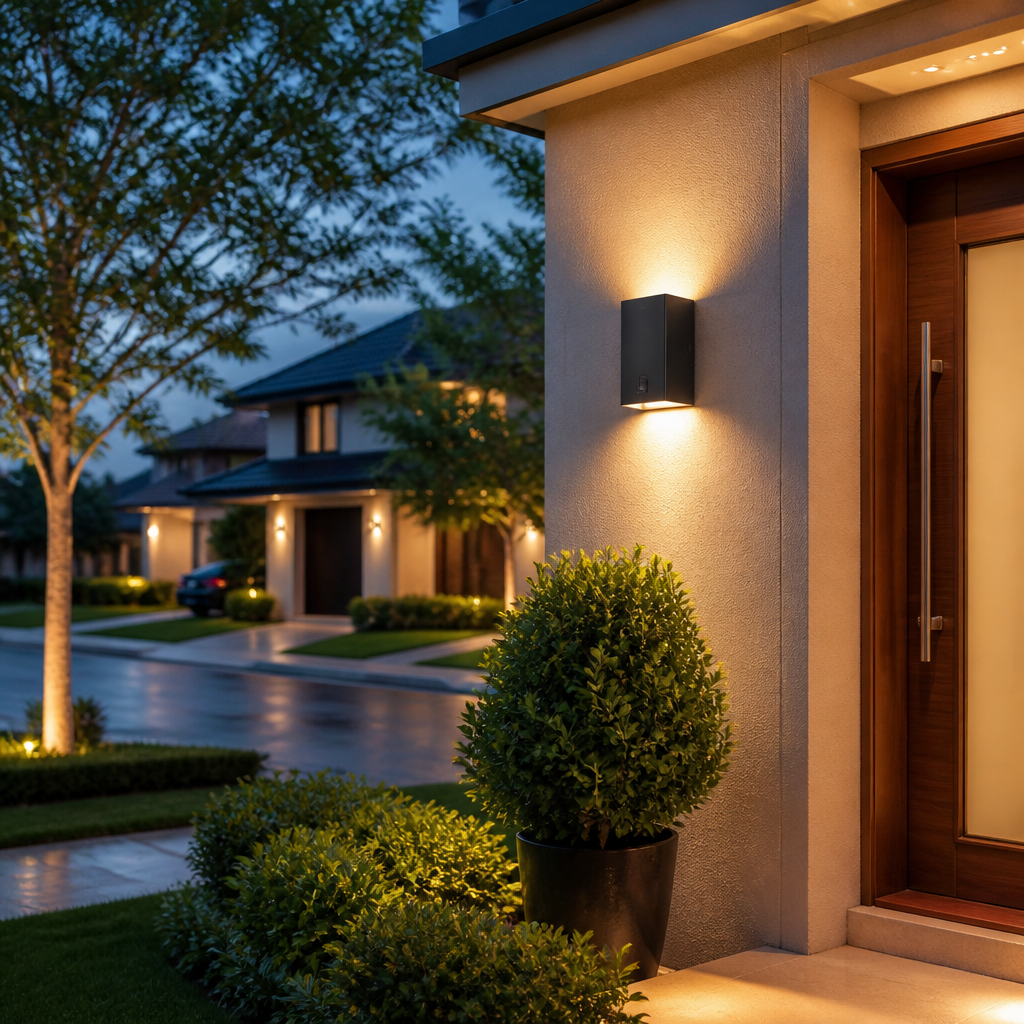
Clear, well-positioned house numbers serve a purpose far beyond decoration. Emergency responders depend on visible addresses to reach homes quickly, delivery drivers need them to avoid mistakes, and potential buyers assess curb appeal within seconds of arriving at a property. Yet many homes display numbers that are too small, poorly lit, or positioned where foliage or architectural features obscure them. Addressing this oversight requires understanding placement standards, choosing appropriate materials, and integrating numbers into the overall design of your home’s exterior.
Why Address Visibility Matters for Safety and Value
Fire departments and ambulance services emphasize that every second counts during emergencies. A study by the National Association of Realtors found that first responders lose critical time when house numbers are illegible from the street, particularly at night or during poor weather. The recommended standard calls for numbers at least four inches tall for properties set back 50 feet from the road, with size increasing proportionally for greater distances.
Property value also responds to visible addressing. Real estate professionals note that homes with clear, modern numbers photograph better in listings and signal attention to maintenance. This relatively inexpensive upgrade contributes to the impression of a well-maintained property, which influences buyer perception before they even step inside. The connection between exterior improvements and home value is well established, with strategic exterior updates consistently ranking among the most cost-effective ways to increase resale appeal.
Optimal Placement for Maximum Visibility
The most effective location for house numbers varies with architectural style and property layout. For homes with a clear front facade facing the street, numbers should be mounted near the main entrance at eye level or slightly above, typically between five and six feet from the ground. This placement allows visitors approaching on foot to see them easily while remaining visible from vehicles.
Properties set far back from the road present different challenges. In these cases, numbers near the entrance may not be visible from the street, requiring dual placement: one set on the house itself and another at the driveway entrance or on a post near the curb. Mailbox mounting works for rural properties where mailboxes are positioned roadside, but suburban homes often need freestanding posts or pillars specifically for address display.
Corner lots require numbers visible from both streets. This typically means mounting them on two sides of the house or using a pillar at the property corner. Homes with recessed entrances or those positioned at an angle to the street benefit from projecting numbers mounted perpendicular to the facade rather than flat against it.
Contrast and Color Considerations
High contrast between numbers and their background is essential for legibility. Dark numbers on light siding or light numbers on dark brick provide the clearest visibility. Mid-tone combinations like bronze on tan or gray on beige reduce contrast significantly and should be avoided where distance or lighting conditions already present challenges.
Reflective materials improve nighttime visibility without requiring electrical installation. Reflective vinyl numbers work for mailboxes and posts, while brushed metal with a clear protective coating maintains reflectivity on house facades. For properties where electricity is accessible, backlit or internally illuminated numbers provide the clearest nighttime visibility, though they require more complex installation and ongoing electrical consumption.
Material Selection for Durability and Design
House number materials must withstand weather exposure while complementing architectural style. Solid aluminum resists corrosion in humid climates and requires no protective coatings, making it suitable for coastal properties. Cast aluminum numbers are lightweight enough to mount with adhesive on smooth surfaces but durable enough to last decades with minimal maintenance.
For contemporary homes with clean lines and minimalist aesthetics, metal address numbers for homes manufactured from recycled aluminum offer a floating appearance through concealed mounting systems. These designs eliminate visible screws and create shadow effects that enhance legibility while maintaining a refined look. The floating installation technique works particularly well on stucco, wood siding, and smooth masonry where a modern, uncluttered appearance aligns with the home’s overall design language.
Traditional homes often call for cast iron or brass numbers that reflect historical accuracy. These materials develop patina over time, which some homeowners value for its aged appearance while others prefer to maintain through periodic polishing. Ceramic tile numbers suit Mediterranean and Spanish Colonial styles, though they require careful installation to prevent cracking and may need replacement after impact damage.
Painted wood numbers match farmhouse and cottage styles but demand regular maintenance. Most wood numbers need repainting every three to five years depending on sun exposure and climate. Marine-grade exterior paint extends this interval, but wood remains the highest-maintenance option among common materials.
Installation Techniques for Different Surfaces
Proper installation prevents numbers from loosening, fading unevenly, or leaving damage when removed. Masonry and stucco surfaces accept masonry screws or expanding anchors, which provide secure mounting for heavy materials. Drilling pilot holes slightly smaller than the screw diameter prevents cracking while ensuring a tight fit.
Wood siding allows direct screw mounting into studs for maximum stability, though this limits placement options. When stud location does not align with the desired position, toggle bolts or hollow-wall anchors distribute weight across a larger area. Vinyl siding requires mounting blocks or brackets that sit behind the siding panel to avoid crushing the material.
Adhesive mounting works for lightweight numbers on smooth, non-porous surfaces. Industrial-strength exterior adhesive withstands temperature fluctuations and moisture, but surface preparation is critical. The mounting area must be clean, dry, and free of any coating that might compromise adhesion. Adhesive-mounted numbers should remain undisturbed for 24 hours after installation to achieve full bond strength.
Spacing and Alignment Standards
Professional spacing between individual numbers typically equals one-half the width of a single digit. This proportion maintains legibility without creating a stretched appearance. A four-inch tall number would have two inches between digits. Alignment should follow a level baseline, which requires careful marking before mounting. A laser level or traditional spirit level ensures numbers do not slope, which becomes particularly noticeable with multiple digits.
Connecting Exterior Improvements with Interior Design
Creating a beautiful home requires a thoughtful approach to both exterior improvements and interior design. While quality asphalt installation enhances curb appeal and creates a polished first impression, other home improvement projects help maintain the property’s functionality, comfort, and long-term value. Homeowners looking for practical inspiration can explore DesignMode24 Interior Design for ideas on creating cohesive living environments, browse the Home Improvement category for useful renovation and maintenance guidance, and discover additional ideas through the Interior Design section. Combining durable exterior materials with thoughtful design choices helps create a home that looks attractive, feels welcoming, and maintains its appeal over time.
Creative Display Options Beyond Standard Mounting
Homeowners seeking distinctive address displays have numerous options that maintain visibility while adding character. Vertical mounting along porch posts or door frames suits narrow spaces where horizontal arrangements would not fit. This orientation works best with modern sans-serif fonts that remain legible when stacked.
Planter integration combines address display with landscaping by mounting numbers on large planters flanking an entrance. This approach works when planters are substantial enough to remain visible year-round and positioned close enough to the street for legibility. Stone or concrete planters provide the most stable mounting surface and weather resistance.
Illuminated address plaques combine numbers with landscape lighting, serving dual functions while reducing installation complexity. These fixtures mount like standard outdoor lights and connect to existing electrical systems. Some designs include motion sensors that increase brightness when vehicles or pedestrians approach, conserving energy while ensuring visibility when needed.
For those interested in exploring unconventional display methods, creative approaches to showcasing house numbers can provide inspiration while maintaining the practical requirement of clear visibility from the street.
Maintenance Requirements for Long-Term Visibility
Even durable materials require periodic maintenance to preserve legibility. Metal numbers benefit from annual cleaning with mild soap and water to remove accumulated grime and oxidation. Painted surfaces may need touch-ups where chips or scratches expose underlying material, particularly in areas subject to impact from lawn equipment or storm debris.
Landscaping growth often compromises address visibility over time. Shrubs and trees that were small at planting can obscure numbers within a few seasons. Annual trimming should include checking sight lines from the street and driveway to ensure foliage has not blocked the view. Outdoor lighting aimed at house numbers also requires bulb replacement and fixture cleaning to maintain effectiveness.
Mounting hardware should be inspected annually, particularly after severe weather. Loose screws allow numbers to shift or fall, while corroded fasteners may fail suddenly. Tightening hardware and replacing rusted components during routine maintenance prevents more significant problems and preserves the mounting surface beneath.
Final Considerations for Address Display
Effective house numbers balance practical visibility with aesthetic integration into your home’s design. The investment in quality materials and proper installation pays dividends through improved safety, easier deliveries, and enhanced curb appeal. Local regulations may specify minimum size or placement requirements, so checking with municipal building departments before installation prevents code violations. Taking time to select appropriate materials, determine optimal placement, and execute proper installation ensures your address remains clearly visible for years while contributing positively to your home’s exterior appearance.