
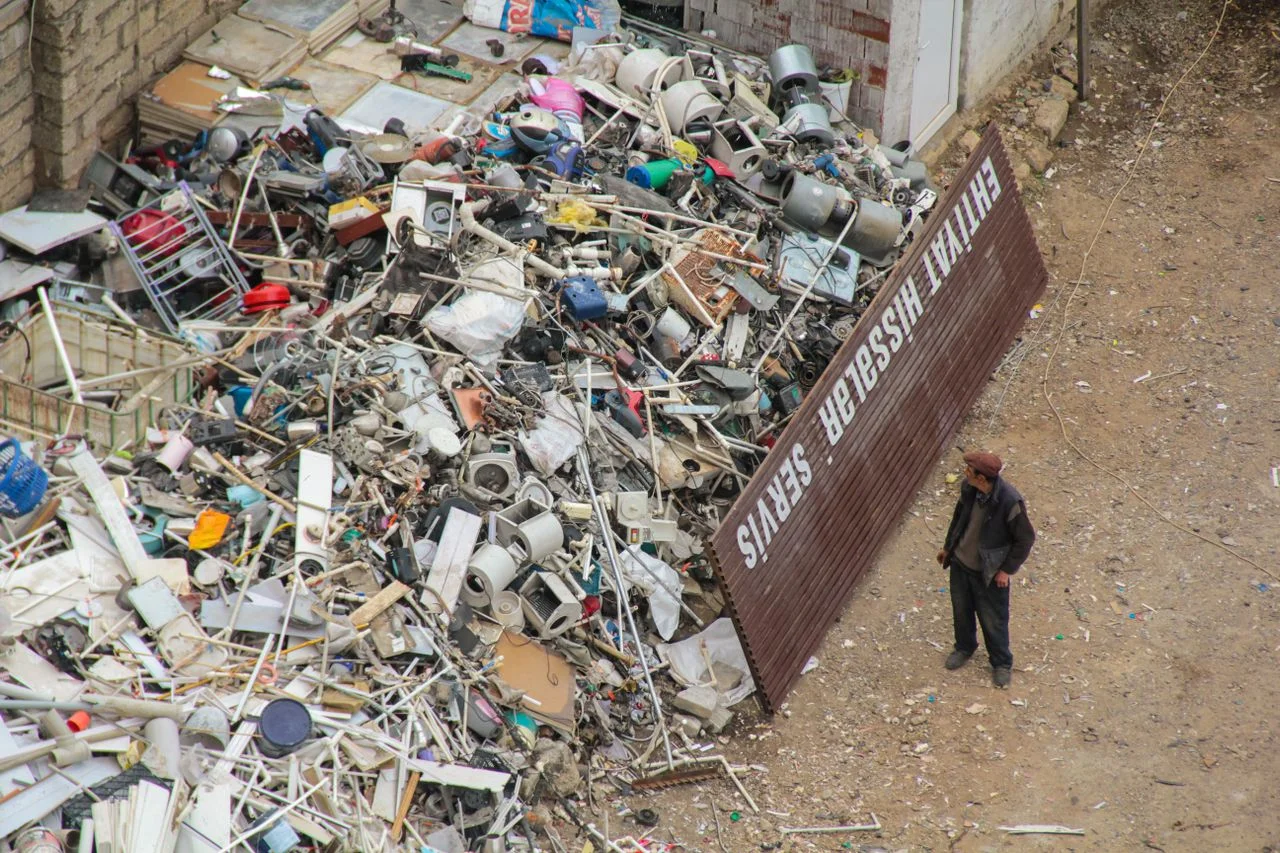
There’s a special kind of guilt that lives in the back of a garage. You know the one. The exercise bike nobody rides, three broken lamps, a box labelled “misc” that’s been misc-ing since 2019. Decluttering sounds simple in theory. Grab a bin bag, get ruthless, done by lunchtime. In practice? It’s exhausting, physically and mentally, and half the stuff won’t even fit in a bin bag anyway. This is exactly where junk removal earns its keep.
Why Decluttering Alone Falls Apart Fast
Most decluttering attempts stall at the same point: the sorting is fine, the actual removal is where everything grinds to a halt. You’ve made three piles, keep, donate, bin and now what? The council only takes so much. The tip charges by weight and requires a trailer you don’t own. Donation centres reject half of what you bring because it’s stained, broken, or just not their thing anymore. So the piles sit there. For weeks. Sometimes months. Slowly merging back into one big pile of “I’ll deal with it eventually.”
The Physical Reality Nobody Warns You About
Old couches are heavier than they look. Mattresses are awkward, not heavy exactly, just impossible to manoeuvre through a doorway without scraping paint or your knuckles. Bookshelves come apart in ways that feel personal. None of this is really about strength. It’s about the sheer physical hassle of moving bulky, oddly-shaped things down stairs, through hallways, and into a vehicle that was never designed to carry them.
- Furniture that’s too heavy or bulky for one person to shift safely
- Multiple trips to the tip that eat an entire Saturday
- Items that don’t fit council pickup rules or timing windows
- The mental fog of not knowing what’s even recyclable
What Junk Removal Actually Changes
Here’s the shift that makes the whole process feel different: someone else does the heavy lifting, literally and figuratively. You point, they haul. No trailer hire, no working out weight limits at the tip, no awkward Tetris game trying to fit a wardrobe into a hatchback. A decent junk removal service turns “I should really deal with that” into “done, gone, sorted” within a couple of hours.
Junk removal service are built exactly for this kind of moment, the garage that’s become a no-go zone, the spare room stacked with things you forgot you owned, the general “where do I even start” pile that’s grown a life of its own. Point at it, and it’s gone.
It’s Not Just About Space
Clutter does something sneaky to a home. It’s not just visual mess, it’s cognitive load. Walking past a pile every day, even a small one, quietly nags at you in the background. People rarely notice how much mental noise clutter creates until it’s gone, and then suddenly the whole house feels lighter, calmer, easier to actually live in. So what’s the payoff here? Not just a tidy garage. A bit of headspace back.
Room by Room: Where the Junk Actually Hides
Every home has its own version of clutter geography. Garages collect tools, paint tins, half-used building supplies. Spare rooms become dumping grounds for anything without an obvious place. Kitchens quietly accumulate broken appliances nobody’s gotten around to replacing. Garden sheds turn into graveyards for gear that seemed useful once. Tackling the whole house at once is overwhelming, most people find it easier to go room by room, dealing with the worst offender first.
The Sorting Question: What Actually Needs to Go
Decluttering isn’t just about volume, it’s about decision fatigue. Every single item requires a tiny decision: keep, donate, toss. Multiply that by a few hundred items and it’s genuinely draining. A useful trick is setting a simple rule in advance haven’t touched it in two years, it goes rather than agonising over each individual item as you go. Decide the rule once, apply it everywhere, save your energy for the physical work.
Donations, Recycling, and Doing It Properly
Plenty of what gets cleared out during a declutter isn’t actually rubbish. Furniture in decent shape, working appliances, clothes that just don’t fit the current wardrobe. A proper rubbish removal service sorts this out on your behalf, separating what can be donated or recycled from what genuinely needs to head to landfill. It’s a small detail that matters, both for the environment and for that nagging feeling of “surely someone could still use this.”
When a Big Declutter Actually Makes Sense
Some situations practically demand a proper clear-out: moving house, downsizing, prepping a property for sale, or just hitting that point where the clutter has genuinely started affecting daily life. In these bigger moments, doing it piecemeal over weeks rarely works. A single, organised removal knocks the whole thing out in one go, and honestly, that momentum matters. Half-finished decluttering projects have a way of quietly dying.
Keeping It From Building Back Up
Here’s the part people skip: decluttering once is easy compared to keeping clutter from creeping back. A few small habits help enormously dealing with broken items immediately rather than letting them pile up “for later,” doing a quick seasonal check of garages and spare rooms, and being honest about what’s actually getting used versus what’s just taking up space out of habit.
If you want a practical, room-by-room approach to keeping on top of it, this piece on decluttering tips for organising your home and reducing waste runs through exactly this small, manageable habits rather than one massive annual panic-clean.
The Emotional Weight of Sentimental Items
Not everything cluttering a home is easy to part with. Old kids’ toys, a relative’s furniture, boxes of photos and mementos nobody’s looked at in year, these carry weight that’s got nothing to do with their physical size. It’s fine to move slower through this category, setting them aside from the general clear-out rather than forcing a decision under pressure. Junk removal handles the straightforward stuff fast, which frees up time and energy for the harder, more sentimental calls.
A Quick Word on Timing
Decluttering tends to cluster around certain moments: spring cleaning, moving house, a New Year reset, or just hitting a breaking point on a random Tuesday. There’s no wrong time, but booking a removal ahead of a known deadline, like a move-out date, saves the last-minute scramble of trying to find a same-day slot when everyone else in the suburb has had the same idea that week.
It’s Okay to Start Small
Not every declutter needs to be a whole-house event. Sometimes tackling one room, one cupboard, one overflowing drawer is enough to build momentum. Small wins add up, and a single successful clear-out often makes the next one feel far less daunting. There’s no rule saying it all has to happen in one dramatic weekend.
So What’s the Takeaway?
Decluttering isn’t really a willpower problem. It’s a logistics problem, and logistics problems get solved by removing the friction, not by trying harder. Bring in the muscle, skip the multiple tip runs, and let someone else handle the sorting and hauling. Your future self, walking into a garage you can actually park in again, will thank you for it.

Leave a Reply